The Ultimate Setup Guide for Your 2 Slice Newgen Classic Toaster
The breakfast ritual is a cornerstone of daily life, yet it is often compromised by inconsistent equipment. For those who view toast not merely as a side dish but as a culinary foundation, the 2 Slice Newgen Classic Toaster represents a significant investment in kitchen engineering. Hand-built with a focus on longevity and repairability, this appliance departs from the modern "throwaway" culture of small electronics. However, transitioning from a standard, budget-friendly toaster to a professional-grade Newgen requires a shift in approach. Understanding the nuances of its mechanical timer, the specific heating characteristics of its patented elements, and the proper initial calibration is essential for achieving the perfect golden-brown finish.
This guide serves as a comprehensive manual for new owners, detailing every aspect of the setup process from unboxing to advanced browning control. By focusing on the structural integrity and technical specifications of this classic appliance, users can ensure their toaster performs at peak efficiency for decades. Whether you are a sourdough enthusiast requiring high-heat intensity or someone who simply appreciates the tactile satisfaction of an analog dial, mastering the Newgen setup is the first step toward breakfast perfection.
Detailed Product Analysis: Engineering for Longevity
At the heart of the 2 Slice Newgen Classic Toaster is a design philosophy that prioritizes modularity and heavy-duty materials. Unlike most contemporary toasters that rely on integrated circuit boards and thin plastic shells, the Newgen is encased in a robust stainless steel and cast aluminum housing. This provides not only aesthetic appeal but also superior heat retention and stability during the popping mechanism's operation. The weight of the unit is a testament to the gauge of the metal used, ensuring that it remains stationary even when the heavy-duty ejector lever is engaged.
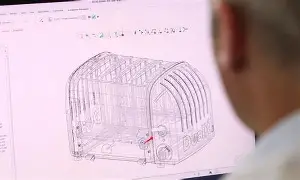
The defining technical feature of the Newgen series is the ProHeat element. Most consumer toasters use exposed wire filaments that are susceptible to damage and uneven heating over time. The Newgen elements are protected by a layer of mineral material (typically mica), which diffuses the heat more evenly across the surface of the bread and protects the internal wiring from debris and physical contact. Furthermore, these elements are designed to be replaceable. In an era where a broken heating element usually means the entire appliance goes to a landfill, the ability to swap out individual parts is a major point of differentiation for the Newgen brand.
The control interface is refreshingly analog. Rather than digital buttons and LCD screens, the toaster features a mechanical timer dial. This dial does not measure heat; it measures time. This is a critical distinction for new users to grasp. The temperature of the elements remains constant, while the duration they are powered on determines the level of browning. Additionally, the unit includes a selector switch that allows the user to power either one or both slots, a feature aimed at energy conservation when preparing a single slice of toast. The inclusion of a defrost setting and a dedicated bagel setting—which toasts the cut side while only warming the crust—adds modern versatility to the vintage-inspired chassis.
Unboxing and Initial Positioning
When the 2 Slice Newgen Classic Toaster first arrives, proper handling is necessary to ensure the mechanical components are not jolted during the transition to the countertop. Upon removing the unit from its packaging, users should inspect the crumb tray located at the base. It is frequently secured with a small piece of shipping tape that must be removed for the tray to slide freely. This tray is a vital component of the setup, as it protects the surface beneath the toaster from heat damage and keeps the internal chamber clear of fire hazards.
Placement in the kitchen is equally important. Given the high-wattage output of the ProHeat elements, the toaster should be placed on a heat-resistant surface such as granite, quartz, or treated wood. It is advisable to maintain at least four inches of clearance from walls and other appliances to allow for proper heat dissipation. Furthermore, users should avoid placing the toaster directly under low-hanging cabinets, as the vertical heat exhaust during heavy use can lead to moisture buildup or discoloration of the cabinetry over time.
Discover deals on Electronics — updated daily.
Shop Amazon →Before the first slice of bread is ever inserted, it is standard practice to perform a "burn-off" cycle. This involves setting the timer to approximately two minutes and running the toaster empty in a well-ventilated area. This process eliminates any residual manufacturing oils or dust that may have settled on the elements during assembly. A slight odor or a small amount of smoke is normal during this first run and will not recur during regular operation.
Calibrating the Perfect Toast
Achieving consistency with a mechanical timer requires a "learning curve" that differs from digital high-end models. Because the Newgen does not use a temperature sensor to monitor the internal cavity, the ambient heat built up from previous cycles affects subsequent runs. For example, if you toast two slices and then immediately toast two more, the second batch will brown faster because the elements and the aluminum body are already hot. Efficient users learn to slightly reduce the timer setting for the second and third rounds of a breakfast session.
The thickness of the bread also dictates setup adjustments. The Newgen's slots are famously wide, designed to accommodate hand-cut farmhouse loaves, crumpets, and bagels. For thinner, standard sandwich bread, a lower setting on the dial is required to prevent carbonization. Conversely, dense ryes or frozen sourdoughs benefit from the "Deep-Toast" capability of the ProHeat elements, often requiring a full three-minute cycle. Users are encouraged to start at a mid-point on the dial (usually represented by a "2" or a specific mark depending on the specific model variation) and adjust incrementally.
Pros and Cons of the Newgen Experience
To provide a balanced view for potential and new owners, it is helpful to categorize the benefits and drawbacks of this specific setup. While the toaster is widely regarded as the gold standard, its professional nature means it may not suit every household's preferences.
- Pros: Exceptional Durability – The hand-built construction and use of heavy-gauge metals ensure the toaster can last for decades with basic maintenance.
- Pros: Repairability – Unlike most modern electronics, every major component of the Newgen, from the elements to the timer, is replaceable and widely available.
- Pros: Professional Results – The ProHeat elements provide a level of browning consistency and "crunch" texture that is difficult to replicate with standard wire-filament toasters.
- Pros: Energy Efficiency – The ability to select a single-slot mode prevents the wasted energy of heating an empty chamber.
- Pros: Versatile Functions – Dedicated settings for bagels and frozen bread allow for precision regardless of the starting temperature or thickness of the item.
- Cons: Steep Learning Curve – The manual timer requires the user to pay more attention than a "set and forget" digital model, especially during back-to-back cycles.
- Cons: Manual Lift – The toaster does not "pop up" automatically when finished; the lever must be manually raised to check the progress or remove the toast, which can be jarring for those used to automatic ejectors.
- Cons: High Initial Cost – The upfront investment is significantly higher than mass-market brands, justified only by the intent to keep the appliance for a lifetime.
- Cons: Heat Retention – The exterior housing can become quite hot during extended use, requiring caution in households with small children.
Technical Comparison of Newgen Variants
Understanding where the 2 Slice Newgen Classic fits within the broader product line helps in recognizing its specific operational limits. The following table compares the 2 Slice model with its larger 4 Slice counterpart and the Lite versions often found in retail channels.
| Feature | 2 Slice Newgen Classic | 4 Slice Newgen Classic | 2 Slice Lite Series |
|---|---|---|---|
| Housing Material | Cast Aluminum & Steel | Cast Aluminum & Steel | High-Grade Plastic/Steel |
| Element Type | ProHeat (Mica Covered) | ProHeat (Mica Covered) | Standard Filament |
| Slot Selection | 1 or 2 Slots | 1, 2, or 4 Slots | Fixed |
| Repairability | Fully User-Repairable | Fully User-Repairable | Limited |
| Hand-Built | Yes (Manual Inspection) | Yes (Manual Inspection) | Mass Produced |
Buying Guide: Is the Newgen Right for Your Kitchen?
When selecting a toaster of this caliber, buyers typically focus on three factors: frequency of use, types of bread consumed, and aesthetic preference. The 2 Slice Newgen Classic is specifically targeted at individuals or couples who prioritize quality over volume. If your morning routine involves various artisanal breads—thick-cut brioche, dense pumpernickel, or bagels—the Newgen’s ability to handle thickness without squeezing the bread or causing uneven hot spots is paramount.
Buyers should also consider the environmental impact. In a market saturated with "planned obsolescence," the Newgen stands out as a sustainable choice. While the initial price point might be four to five times that of a standard toaster, the cost-per-year over a twenty-year period is significantly lower. This "buy it once" mentality is a core driver for the majority of Newgen owners.
Discover deals on Electronics — updated daily.
Shop Amazon →Another factor to consider is the kitchen workflow. Because the Newgen is a manual appliance, it appeals to those who enjoy the process of cooking. The tactile "click" of the timer and the requirement to manually lift the lever to check browning levels offer a sense of control that automated machines lack. However, if your kitchen routine is chaotic and you prefer a toaster that will automatically pop up and shut off without any oversight, the manual nature of the Newgen might feel like a burden rather than a benefit.
Maintenance and Long-Term Care
To ensure the setup remains optimal, a consistent maintenance schedule is required. The most important task is the daily or weekly emptying of the crumb tray. Accumulated crumbs not only pose a fire risk but can also smoke and affect the flavor of the toast. The tray should be removed, wiped down with a dry cloth, and reinserted. Avoiding the use of wet cloths inside the toaster is critical, as moisture can damage the mineral coating on the ProHeat elements.
Periodically, users should inspect the slots for any stuck debris. If a piece of bread becomes lodged, the toaster must be unplugged and allowed to cool completely. One should never use metal utensils (like knives or forks) to extract the bread, as this can pierce the mica layer of the elements. A wooden spatula or tongs are the only tools that should be used for clearing obstructions. For the exterior, a micro-fiber cloth and a gentle stainless steel cleaner (applied to the cloth, not the toaster) will keep the aluminum end-caps and steel body gleaming.
Finally, it is worth noting that because the toaster is designed to be serviced, owners should familiarize themselves with the available replacement parts. If, after several years, the timer begins to stick or an element loses its intensity, these parts can be ordered and replaced using standard tools. This modularity ensures that the "Ultimate Setup" you create today remains functional for decades to come.
Conclusion
Setting up the 2 Slice Newgen Classic Toaster is more than just plugging in a kitchen appliance; it is the adoption of a professional standard of food preparation. By understanding the mechanical nature of the timer, the unique properties of the ProHeat elements, and the necessity of a proper burn-off cycle, owners can maximize the performance of this iconic device. While it lacks the digital bells and whistles of its modern counterparts, it offers a level of consistency, durability, and repairability that remains unmatched in the consumer electronics space. For those willing to master the slight learning curve of analog browning control, the reward is a lifetime of perfectly toasted bread, customized to the exact specifications of the user.